
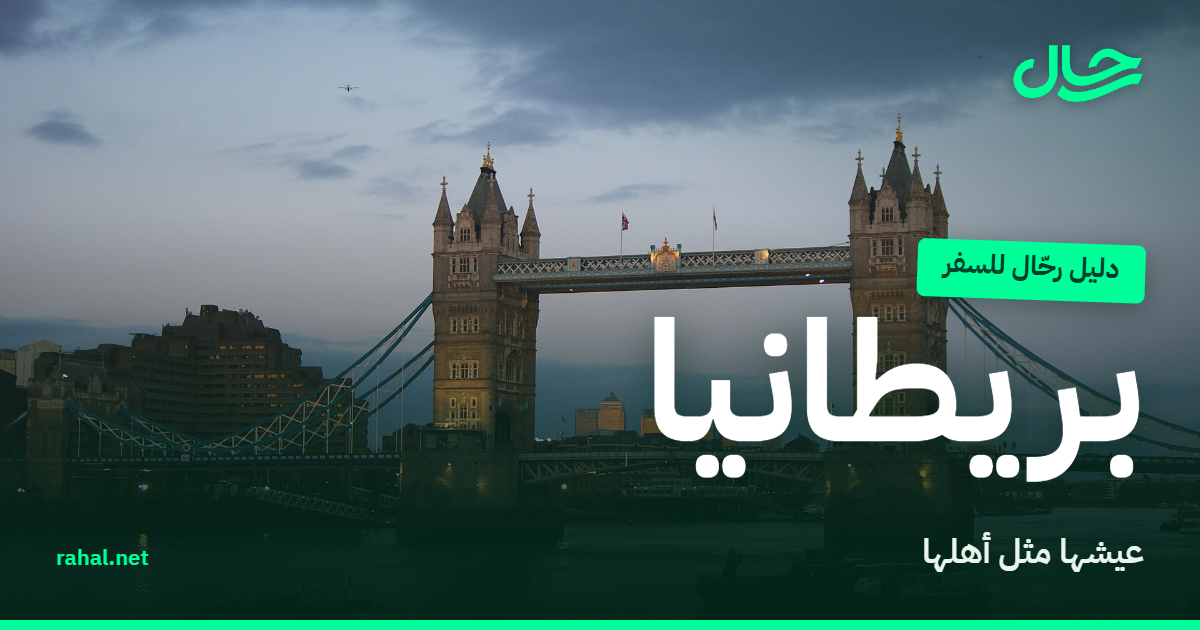
UK Like a Local: The Real Travel Guide for Iraqis
Britain is the dream of many Iraqis, and home to a huge Iraqi community that goes back decades. London is a global city that blends royal history with human diversity, while Manchester, Birmingham, and London itself have full Arab and Iraqi neighborhoods. But if you want to experience Britain like a local, you need to understand that the real English person is far from the image of luxury: their life is organized around unpredictable weather, expensive transit, a queue they treat as sacred, and a "cup of tea" that solves every problem. And here's the twist you need to know upfront: Britain is very expensive, and its visa is one of the hardest for an Iraqi passport to get. In this guide from the Travel Like a Local series, let's walk through the real Britain — and talk honestly about the visa.
Who lives there?
Britain has around 68 million people, and London alone has close to 9 million — one of the most diverse cities in the world, where you can hear hundreds of languages on a single street. British society is multi-ethnic and multi-faith, and Islam is the second-largest religion, so mosques and halal restaurants are widespread in major cities.
The language is English, of course, with many accents varying from city to city. The Iraqi community is large and long-established, especially in London (neighborhoods like Ealing and Wembley), Manchester, and Cardiff, where you'll find Iraqi restaurants, shops, and even Iraqi bread bakeries.
The English are known for reserve, extreme politeness, and dry humor. Cold at first, but polite and respectful, and they open up once you break the ice.
How much does daily life cost?
Britain is expensive, and London is one of the priciest cities in the world. The currency is the British pound (stronger than the dollar). According to Numbeo (mid-2026):
- A one-bedroom apartment in central London: roughly $2,300–2,500/month (among the highest in the world).
- A meal at a cheap restaurant: roughly $18–20.
- A monthly transit pass (Travelcard): a significant expense, and single rides are pricey.
- Comfortable living for one person in London: roughly $3,000–3,500/month including rent.
For comparison: even with a good British salary, rent eats up a large share, which is why people live farther out and commute an hour, or share housing. London is much more expensive than the rest of Britain, and northern cities are noticeably cheaper.
Relatively cheap: supermarket groceries, and museums (most are free — a great British perk). Expensive: rent, transit, restaurants, and just about any service.
How do locals get around?
London has the Tube (underground): the oldest metro system in the world, extensive and efficient but expensive and crowded at rush hour. There's also the iconic red double-decker bus (cheaper than the Tube), and everything runs on an Oyster card or contactless bank card payment.
The iconic black cab is pricey; apps like Uber and Bolt are cheaper. Walking in London is enjoyable since central landmarks are close together.
Between cities, trains connect Britain (though expensive — book early for cheaper fares), and buses (like National Express and Megabus) are much cheaper but slower. Distances within Britain are manageable — London to Manchester takes about 2 hours on a fast train.
What surprises visitors: the ever-changing weather (you can get all four seasons in one day), so an umbrella and jacket are constant companions, even in summer.
What do they eat… and when?
Traditional British food is simple and hearty. The iconic dish is fish and chips (fried fish with fries), the English breakfast (a full spread: eggs, sausage, beans, tomato, toast) is a weekend meal, and the Sunday roast (roasted meat with vegetables) is a family Sunday lunch tradition.
But the reality: London's everyday food is the food of the whole world. Indian and Pakistani restaurants (curry is practically part of British identity), Arab, Turkish, and every other cuisine imaginable. "Takeaway" culture is huge.
Tea is a national ritual: the English drink tea with milk on every occasion, and "a cup of tea" is the solution to every problem. Street food exists in markets (like Borough Market) but tends to be pricey.
A myth worth busting: British food isn't "bad" like the famous joke suggests — London has become one of the best cities in the world for restaurant diversity and quality.
The unwritten rules
- The queue is sacred. This is the most important British rule. Cutting a queue is a major social offense. Always wait your turn, everywhere.
- Politeness is fundamental. "Please," "thank you," and "sorry" show up in nearly every sentence. The English will apologize even if you bump into them. Be polite and you'll fit right in.
- Personal space and calm. The English are reserved — don't stand too close, and don't raise your voice in public (especially on the nearly silent Tube).
- Dry humor (sarcasm) is part of their comedy — don't always take it literally.
- Tipping: around 10–12% at restaurants if service isn't already included. Not mandatory for pubs or taxis.
- The weather is the safe conversation topic. The English talk about the weather constantly — it's the perfect social icebreaker.
Where do locals live?
Housing searches happen on sites like Rightmove, Zoopla, and SpareRoom (for shared housing). Rents in London are very high, so most people share housing or live in the suburbs and commute by train. Leases are typically annual with a deposit.
The map: central London (Zone 1) is the most expensive, while the suburbs (Zone 3 and beyond) are cheaper. The Arab and Iraqi community clusters around areas like Ealing, Wembley, and Edgware. For visitors, stay near a Tube station in Zone 1 or 2 for easy access to everything.
Tip: London is expensive for tourist accommodation, so shared apartments or hotels in nearby suburbs close to a Tube station can save you a lot.
🎵 Hear the country before you arrive
Music is half of any trip. Here's a playlist to set your mood for the UK before you even land — play it while you pack:
For the Iraqi traveler 🇮🇶
Visa (verified: June 2026): Let's be honest about this one. Britain requires a Standard Visitor visa for Iraqi passport holders, and the process is among the toughest: apply online through the UK government website, then attend an appointment at a visa center (VFS) for biometrics and documents. You'll need to prove your financial standing and ties to Iraq (job, property, family) to convince officials you intend to return. Processing can take a while, and refusal is common, especially for applicants without a strong travel history. There's no simple electronic tourist visa like some other countries offer. Prepare a complete, honest, and accurate application, and apply well ahead of your trip. Check the official UK government website (gov.uk) for the latest requirements.
Flights: There's currently no regular direct flight from Iraq to London. Typical transit routes go through Istanbul, Doha, Dubai, or Amman, with total travel time around 8–12 hours including transit.
Money: Britain is very much a card-based country — cash is nearly disappearing, and some places don't accept it at all. Activate your Iraqi card for international use; card payments work everywhere, even on the bus. Carry just a small amount of pounds in cash for emergencies.
Internet: Activate the free eSIM from Rahal that comes with any confirmed international booking (1GB for 3 days): request it on WhatsApp at least 5 days before your trip, so you land in London already connected, then get a local SIM if you're staying longer.
Halal food and community: Britain is one of the easiest Western countries for Muslim travelers: halal restaurants are extremely widespread (halal Pakistani curry is everywhere), mosques are plentiful, and the Iraqi community is huge. If you're missing home, full Iraqi neighborhoods in London and Manchester have Iraqi restaurants, bakeries, and shops.
Worth remembering: Don't book a non-refundable flight or hotel before the visa is in your hand. If you book through Rahal, choose a changeable fare and keep the WhatsApp support team informed of your situation. A strong visa file (bank statements, proof of employment, ties to Iraq) is the key to approval.
The honest take
The hard parts about Britain: the cost of living that eats up any salary (especially in London), the difficult, lengthy visa process for Iraqis, and the gray, gloomy weather for much of the year. And what gets overlooked? Everything outside London: Scotland with its highlands, castles, and charming Edinburgh, the Lake District with its stunning nature, and historic towns like York and Bath. London's free museums are also a world-class treasure. If you're drawn to another Western destination with a similarly tough visa but a different character, check out our guide on the USA from the same series.
Bottom line: Britain suits those with family there, students, and visitors who can handle the cost and the long visa road. If you prepare a strong visa file and have a solid budget, London offers a global city unlike any other.
FAQ
What's daily life like in the UK?Life organized around unpredictable weather, expensive transit, and work. The English are reserved and polite, holding the queue and "a cup of tea" as near-sacred. London is a diverse global city that never sleeps, and social life revolves around restaurants, cafés, and free museums. The pace is fast in London and calmer in smaller towns.
Is the UK expensive to live in?Very expensive, and London is one of the priciest cities in the world: a room in central London runs $2,300–2,500/month, a cheap meal costs $18–20, and comfortable living for one person runs roughly $3,000–3,500/month (Numbeo, mid-2026). Free museums and supermarket groceries help offset costs, but rent and transit eat up a big share of any salary.
What important customs should I know in the UK?The queue is sacred (never cut it), politeness is fundamental ("please" and "sorry" in nearly every sentence), and calm and personal space matter (especially on the near-silent Tube). Tipping is around 10–12% at restaurants, dry humor is part of their comedy, and the weather is always a safe conversation topic.
What do British people eat every day?Fish and chips, the English breakfast, and the Sunday roast are traditional dishes, but London's everyday food is a mix of the whole world: Indian and Pakistani curry (practically part of British identity), Arab, Turkish, and every other cuisine. Tea with milk is a national ritual, and takeaway culture is everywhere.
Does the UK require a visa for Iraqis?Yes, a Standard Visitor visa with a tough process (verified: June 2026): online application, biometrics appointment at a VFS center, and proof of financial standing and ties to Iraq. Processing can take time and refusal is common, and there's no simple e-visa option. Prepare a complete file and apply early; check gov.uk for the latest requirements.
What do tourists usually miss in the UK?Everything outside London. Scotland with its highlands, castles, and Edinburgh, the Lake District with its breathtaking nature, and historic towns like York and Bath. London's free museums (the British Museum, the National Gallery) are world-class treasures too. Most visitors stick to London and miss the beauty of the British countryside and north.
Sources: Wikivoyage (CC BY-SA), CIA World Factbook (public domain), cost figures from Numbeo. Last updated: June 2026.