
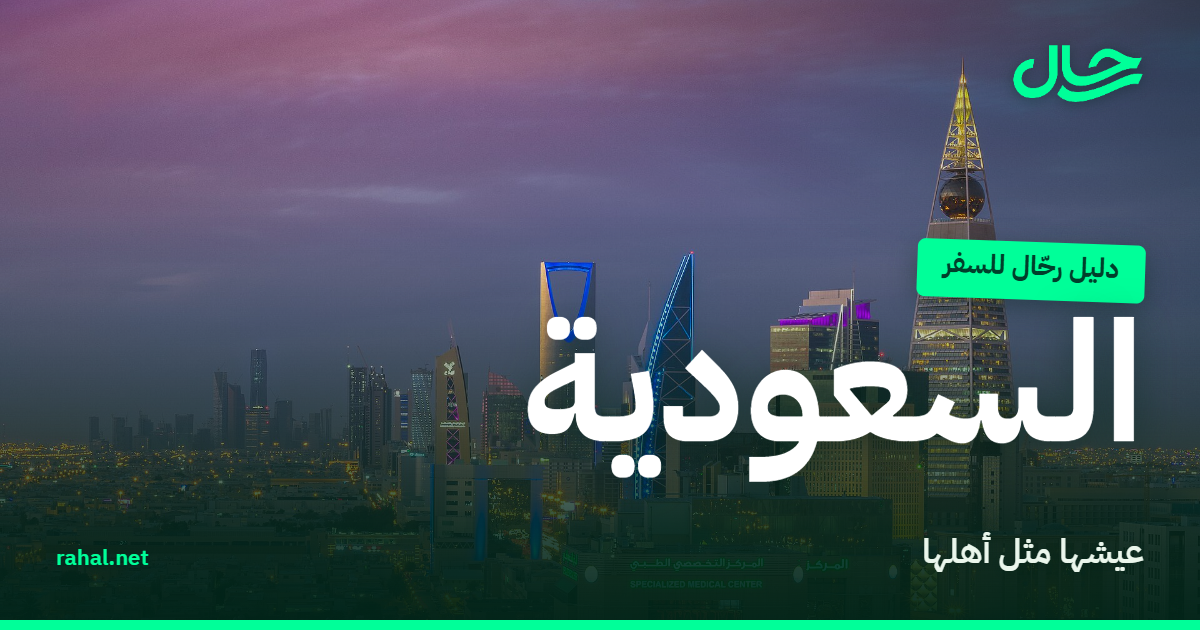
Saudi Arabia Like a Local: Beyond Umrah and Hajj
The Saudi Arabia in most Iraqis' heads is Mecca and Medina, full stop: a country you visit to worship and come home from. But the Saudi Arabia its people actually live today is a different country changing faster than anywhere else in the region: a new metro in Riyadh, entertainment seasons and concerts, international restaurants, and massive projects in every direction. If you want to live Saudi Arabia the way its people do, you need to drop the old picture and arrive with open eyes: a country conservative at its roots, open in its projects, and both expensive and cheap depending on where you go. In this guide from the Travel Like a Local series, we'll walk you through real life there: from kabsa and hospitality coffee to the unusual annual rental system, and everything an Iraqi traveler needs, from Umrah to the visa.
Who lives there?
Saudi Arabia has over 35 million people, with nearly a third of them expats from all over the world, making the street in big Saudi cities a genuine mix of nationalities. Saudi society itself is remarkably young: most of the population is under forty, and this generation is driving the current wave of change.
The country is never one color: Riyadh (the capital, over seven million people) is formal and fast-paced, Jeddah on the Red Sea is open with a coastal, artistic mood, the Eastern Province (Dammam and Khobar) sits close to the Gulf with a calmer spirit, and Mecca and Medina have their own status and rhythm. Saudis themselves joke about the differences between their cities the same way we joke between Baghdad, Basra, and Mosul.
For Iraqis, the Saudi dialect is fully understood, and tribal and family ties between Iraq and Saudi Arabia predate the border itself, especially in our western and southern regions.
How much does daily life cost?
According to Numbeo and other mid-2026 sources for Riyadh:
- Average net monthly salary: around 8,000 riyals (over $2,100), varying widely between Saudis and expats and across sectors.
- A meal at a casual restaurant: 25 to 30 riyals ($7-8).
- Renting a one-bedroom apartment: around 3,500 to 4,000 riyals in the center, dropping to around 1,800 riyals in outlying neighborhoods.
- Monthly Riyadh Metro pass: just 140 riyals, and gas among the cheapest in the world.
Here's the strangest financial habit to know: rent in Saudi Arabia is usually paid a full year upfront, in one or two installments. A tenant needs to have a full year's amount ready before getting the keys — a shock for every newcomer.
What's cheap: gas, transport, and casual food (buffets, Bukhari restaurants, and mandi). What's expensive: Riyadh rents, which climb year after year due to the boom, private schools, and the 15% tax added to every bill — so don't be surprised when the total comes out higher than the listed price.
How do people get around?
Saudi Arabia is a car country through and through, with near-free gas and continental distances: Riyadh to Jeddah is 950 kilometers. But the story is changing: the Riyadh Metro launched with six modern lines and changed the city's life, becoming a real option for employees and visitors, especially during the traffic that chokes Riyadh's streets at rush hour.
For taxis, the two main apps are Uber and Careem, with reasonable prices and coverage across every city. Women drive and work as app drivers too, and have for years — don't be surprised.
Between cities, the high-speed Haramain train connects Jeddah with Mecca and Medina at 300 km/h, the most comfortable and fastest way for an Umrah pilgrim to travel between the two holy cities. Domestic flights form a wide network with competitive prices if booked early.
What confuses visitors: summer heat reorganizes the entire day. Daytime life moves into air-conditioned malls, and real life begins after sunset and stretches to midnight.
What do they eat… and when?
The queen of the table: kabsa. Spiced rice with chicken or meat, eaten as a daily home lunch, with every family convinced their kabsa is the correct one. Alongside kabsa is a whole family of rice dishes: smoked mandi from Hadhramaut, Bukhari rice from casual Bukhari restaurants where a full meal costs very little, and mazbi and madfoun.
Saudi coffee is a sacred ritual: light-roast coffee with cardamom and saffron, poured into small cups alongside dates — the first thing you're offered in any home, office, or even some shops. Their tea is called "shahi," red and strong, exactly like ours.
Meal times are close to ours: a light breakfast (tamees bread, liver, and foul at casual morning restaurants), lunch as the main afternoon meal, and dinner late. The weekend (Friday and Saturday) means a big family lunch that's never skipped.
And a myth worth busting: Saudi Arabia is no longer as strictly divided into "men's restaurants and family restaurants" as before. Restaurant separation has loosened a lot in big cities, and specialty cafés and international restaurants are now an everyday sight.
The unwritten rules
- Coffee and dates aren't refused. Being served Saudi coffee is a gesture of honor — take the cup with your right hand, drink, and shake the cup gently when you've had enough. Refusing outright from the start reads as cold.
- "Hayak Allah" means genuine welcome. Saudi hospitality isn't a courtesy — if a Saudi invites you to their home or their "istiraha" (private gathering spot), go, bring something simple, and they'll treat you like royalty (figuratively).
- The istiraha is a social institution. Men's gatherings at istirahas (small rented chalets for evenings) are the heart of social life: cards, tea, dinner, and conversation until midnight.
- Prayer times structure the day. The old strictness of closing shops has loosened, and most shops now stay open, but restaurants and checkouts can slow down during prayer time — factor that into your plans.
- Dress has relaxed, but the country is still conservative: for men, pants are better than shorts in public places; for women, modest dress is expected without any imposed abaya or headscarf for visitors. Inside the two holy mosques, full religious dress is naturally required.
- Photography has limits. Don't photograph people (especially families) without permission, and don't photograph government buildings. This is taken seriously there.
Where do locals live?
House-hunting in Saudi Arabia runs through organized digital platforms, and leases are officially registered through the government's Ejar platform, so everything is documented and clear. The most popular search apps: Aqar and Bayut.
The housing style differs from ours: Saudis prefer villas and independent floors, with apartments mostly for expats and young people. In Riyadh, the north (Narjis, Malqa, Hittin) is the newest and priciest, while the center and south are older and cheaper. Jeddah works the opposite way: the closer to the sea and the corniche, the higher the price.
Watch the golden rule: before renting, calculate the summer electricity bill. Air conditioning in a Saudi summer isn't a luxury, and the summer bill can run several times the winter one.
🎵 Hear the country before you land
For the Iraqi Traveler 🇮🇶
Visa (verified: June 2026): Saudi Arabia requires a prior visa for Iraqi passport holders, and the electronic tourist visa is currently not available to Iraqis. The approved routes: an Umrah visa through licensed campaigns and the Nusuk platform (the easiest and most commonly used), a family visit visa by invitation from a resident or citizen, and a business visa by invitation from a Saudi entity. The rules are expanding and changing quickly during this transformation period, so confirm with your campaign or travel office before planning.
Flights: Direct flights from Baghdad, Najaf, Basra, and Erbil to Jeddah, Medina, and Riyadh, with most Iraqi traffic on the Umrah route (Jeddah and Medina). Ramadan and holiday seasons book up fast, so reserve weeks ahead.
Money: Saudi Arabia is an advanced electronic-payment country: Iraqi international cards (Mastercard and Visa) work almost everywhere, from malls to grocery stores, and Mada and Apple Pay are at every checkout. Keep a little cash only for street vendors around the holy mosques. Note: a 15% tax is added to bills.
Internet: Local SIMs require fingerprint registration at the airport or branches and take time. Faster option: activate the free eSIM from Rahal that comes with any confirmed international booking (1GB for 3 days): request it on WhatsApp at least 5 days before your trip, and land with data already working for family waiting to hear you've arrived.
Umrah smart tips: If your trip is for Umrah, budget an extra day or two. Taif is an hour from Mecca with cool air, Jeddah and its corniche is an hour away, and Medina itself deserves calm days, not a quick pass-through.
Tip worth remembering
Book Mecca and Medina accommodation based on distance to the mosque, not star rating. A three-star hotel 300 meters away beats a five-star that needs a bus for every prayer, especially for elderly travelers. Rahal's team on WhatsApp can help you find the closest option within your budget.
The Honest Take
What's tough about Saudi Arabia: summer heat that reprograms your entire life, a visa that still needs a channel (a campaign or an invitation) for Iraqis, and huge internal distances. What's underrated? Everything off the Umrah route: AlUla and its Nabataean ruins that rival Petra, Abha and the cool southern mountains in summer, historic Jeddah (Al-Balad) with its old buildings, and Riyadh and Jeddah's seasons that now bring some of the world's biggest events. If you want to compare with another Gulf neighbor, read our guide to the UAE from the same series.
The Bottom Line
Saudi Arabia suits the pilgrim, the family, and the businessperson who wants to see the region's biggest market reshaping itself in real time. If you arrange your visa through the right channels and respect the country's sense of privacy, you'll discover a Saudi Arabia entirely different from the old picture in your head.
FAQ
What's daily life like in Saudi Arabia?
A conservative, family-centered life at a fast-changing pace: work, a family lunch as the main meal, and an active evening life at malls, cafés, and istirahas stretching to midnight, especially in summer when life flips nocturnal because of the heat. The weekend (Friday and Saturday) is for gatherings, istirahas, and winter desert trips.
Is Saudi Arabia expensive to live in?
Balanced: salaries are higher than neighboring countries (Riyadh's average salary is around 8,000 riyals) and gas, transport, and casual food are cheap, but Riyadh rents keep climbing (3,500 to 4,000 riyals for a one-bedroom in the center) and are paid a full year upfront, with a 15% tax added to everything (mid-2026 figures).
What are the important customs to know in Saudi Arabia?
Saudi coffee and dates are the first gesture of honor and aren't refused — shake the cup when you've had enough. Hospitality is serious, so don't take an invitation lightly, photography without permission (especially of families) is a red line, and prayer times still shape shop rhythms even though strict closures have loosened.
What do Saudis eat every day?
Kabsa is the daily national lunch, alongside mandi, mazbi, and Bukhari rice from casual restaurants at low prices. Breakfast is tamees bread, foul, and liver, red shahi tea is present at every sit-down just like our own tea, and light-roast coffee with cardamom and dates greets every guest.
Does Saudi Arabia need a visa for Iraqis?
Yes, a prior visa, and the electronic tourist visa is currently unavailable for Iraqi passport holders (verified: June 2026). Approved routes: an Umrah visa through licensed campaigns and the Nusuk platform, a family visit visa by resident invitation, and a business visa by invitation from a Saudi entity. Rules change quickly, so confirm before planning.
What do tourists usually miss in Saudi Arabia?
AlUla. Madain Saleh and its rock-cut Nabataean ruins rival Petra without the crowds, with world-class desert resorts and events around it. Add Abha and the cool Asir mountains in summer, historic Jeddah, and Riyadh's winter desert camping trips. The real Saudi Arabia is far bigger than the quick Umrah route.
Sources: Wikivoyage (CC BY-SA), CIA World Factbook (public domain), cost figures from Numbeo and multiple sources. Last updated: June 2026.