
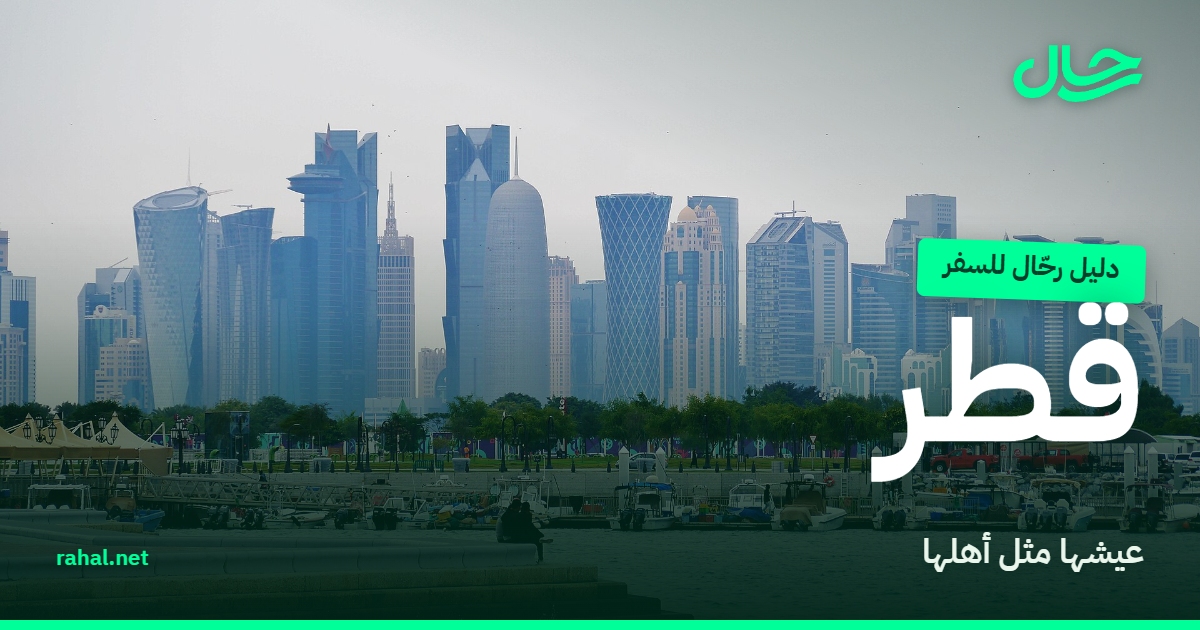
Qatar Like a Local: The Real Travel Guide for Iraqis
Qatar became a name the whole world knows after hosting the 2022 World Cup, and Iraqis found it close, modern, and easy to reach. Doha is a city that blends futuristic skyscrapers with the old Souq Waqif, world-class museums with a Corniche along the Gulf — all in a compact city you can actually walk through, not an overwhelming sprawl. If you want to experience Qatar like a local, you'll discover a small, elegant Gulf nation where most residents are expats, and where karak tea, machboos, and sitting in the majlis are part of everyday life. In this guide from the Travel Like a Local series, let's walk through the real Doha.
Who lives there?
Qatar is small in both area and population: around 3 million people, but here's the twist — Qatari citizens are a small minority (only about 10%), while the rest are expats from India, Pakistan, the Philippines, Arab countries, and around the world. So the streets of Qatar are a mix of nationalities, much like the UAE.
Arabic is the official language, but English is the actual language of the street and workplace. You'll hear Arabic in government offices, majlis gatherings, and Arab neighborhoods. Qatari society is conservative at its roots and Muslim, but Doha itself is a cosmopolitan city accustomed to every culture.
For Iraqis, the Gulf dialect is easy to understand, and there's a large Iraqi and Arab community in Doha, with quality Iraqi and Arab restaurants.
How much does daily life cost?
Qatar is one of the wealthiest countries in the world by income, and prices are somewhat higher than its neighbors. The currency is the Qatari riyal (pegged to the dollar at 3.64 riyals per dollar). According to Numbeo and other mid-2026 sources:
- Monthly expenses for one person excluding rent: roughly $1,000.
- A meal at a casual restaurant: $8–12, and a karak tea costs one riyal.
- A one-bedroom apartment in central Doha: roughly $1,800–2,200/month, cheaper outside the center.
- Transport: the Doha metro is cheap and clean, with rides costing around 2 riyals.
For comparison: salaries in Qatar are high (among the highest rates in the world), but rent and schooling are expensive. For tourists, Doha is somewhat pricier than Dubai for hotels and upscale restaurants, but reasonable options still exist.
Cheap: gas, transport (the metro), casual Asian food, and karak tea. Expensive: luxury hotels, upscale restaurants, and high-end goods.
How do locals get around?
Doha has a very modern metro (built for the World Cup): clean, fast, air-conditioned, with three classes (standard, family, and the pricier Gold Class). It's the most comfortable and cheapest way to get around, reaching most landmarks and malls. There are also apps: Careem and Uber, plus the official taxi service "Karwa."
Qatar is fundamentally a car country (cheap gas), but the metro has changed the equation for visitors. Distances are short — Doha is a compact city, with most landmarks 15–30 minutes apart.
What surprises visitors: the order, cleanliness, and calm, and the summer heat that pushes daily life almost entirely indoors during the day.
What do they eat… and when?
Qatari food is authentic Gulf cuisine: machboos (spiced rice with meat or chicken) is the star of the table, alongside harees, thareed, and sweet luqaimat. Arabic (Qatari) coffee with dates is a hospitality ritual in every majlis.
Since most residents are expats, Doha's everyday food is a mix of the world: Indian and Pakistani and Iranian restaurants at low prices, Lebanese and Syrian shawarma, and Iraqi restaurants. Karak tea (milk and cardamom) for one riyal from a cafeteria is the shared street drink across every nationality.
Souq Waqif is the heart of the food and atmosphere: restaurants, cafés, and shisha in a heritage setting that comes alive at night. Dinner is late, and evening life is lively, especially in mild weather.
A myth worth busting: Qatar isn't just luxury and high prices — local neighborhoods, cafeterias, and Asian food let you eat and live affordably.
The unwritten rules
- A conservative, respectful country. Modest dress is appreciated in public places (for both men and women), especially in malls and government buildings. Beaches and hotel pools are more relaxed.
- Coffee and dates are the mark of hospitality. Take the cup with your right hand, and shake it gently when you've had enough — declining hospitality outright can seem cold.
- Respect and calm are fundamental. Loud voices and public disputes are socially and legally unacceptable.
- Ramadan is treated with respect: eating or drinking in public during the day is inappropriate, even though some places stay open for visitors.
- Photograph politely: don't photograph people (especially families and women) without permission, and never photograph government or military buildings.
Where do locals live?
Qataris live in spacious villas, while expats live in apartments and compounds. For visitors, hotels and serviced apartments in areas like the Corniche, The Pearl, and West Bay are the best fit — close to landmarks and restaurants.
The tourist map: Souq Waqif and the historic Msheireb district are the heart of the atmosphere, The Pearl (a luxurious artificial island) and West Bay for modern life and malls, and Katara (the Cultural Village) for events. For visitors, stay near the Corniche or Souq Waqif to be in the middle of it all.
🎵 Hear the country before you arrive
Music is half of any trip. Here's a playlist to set your mood for Qatar before you even land — play it while you pack:
For the Iraqi traveler 🇮🇶
Visa (verified: June 2026): Qatar uses an electronic visa through the Hayya platform for Iraqi passport holders: apply online, upload your passport, hotel booking, and photo, pay the fees, and get a response within days. The Hayya platform became the official gateway for entering Qatar after the World Cup. You'll need a passport valid for six months and a confirmed hotel booking. Confirm the details and fees on the official website before booking.
Flights: Qatar Airways runs frequent direct flights from Baghdad, Najaf, Basra, and Erbil to Doha, taking about 2 hours. Doha is one of the best-served destinations from Iraq (and a major global transit hub).
Money: Qatar is a highly developed electronic-payment country — international Iraqi cards work everywhere, from the metro to malls to restaurants. Carry a little cash in riyals for cafeterias and Souq Waqif. ATMs are widespread, and the riyal is stable, pegged to the dollar.
Internet: Activate the free eSIM from Rahal that comes with any confirmed international booking (1GB for 3 days): request it on WhatsApp at least 5 days before your trip, so you land at Hamad Airport already connected.
Food and worship: Halal is the default (a Muslim country), mosques and mall prayer rooms are everywhere, and Iraqi and Arab restaurants are widespread. Qatar is very comfortable for an Iraqi Muslim family.
Worth remembering: Qatar is a seasonal destination: from November to March the weather is golden and everything is open (peak event season), while from June to September the heat keeps you indoors and air-conditioned. If your budget is limited, book in summer — hotel prices drop significantly, but be ready for a fully indoor daytime experience.
The honest take
The hard parts about Qatar: prices somewhat higher than its neighbors for hotels and upscale restaurants, the long, brutal summer heat, and the country's small size meaning you can cover the main sights in just a few days. And what gets overlooked? World-class museums (the Museum of Islamic Art and the National Museum of Qatar are architectural masterpieces), the desert and Khor Al Adaid (Inland Sea) with desert safari trips, and Katara's cultural life. If you're drawn to a bigger, more diverse Gulf neighbor, check out our guide on the UAE from the same series.
Bottom line: Qatar suits families and anyone seeking an elegant, clean, close, and safe Gulf destination. If you sort out your Hayya visa and pick the right season, Doha offers a compact, world-class experience in a short trip.
FAQ
What's daily life like in Qatar?A modern, organized Gulf life in Doha: a modern metro, air-conditioned malls, and evenings along the Corniche and Souq Waqif. The population is a mix of nationalities (citizens are a minority), the pace is calm and clean, and summer heat pushes daily life indoors. Karak tea for one riyal and evening gatherings at Souq Waqif are part of the daily rhythm.
Is Qatar expensive to live in?Somewhat more expensive than its neighbors: a room in central Doha runs $1,800–2,200/month, monthly expenses excluding rent run about $1,000, and a casual meal costs $8–12 (mid-2026 figures). But gas, the metro, casual Asian food, and karak tea are cheap, and salaries are among the highest rates in the world.
What important customs should I know in Qatar?It's a conservative country: modest dress is appreciated in public places, Arabic coffee and dates are hospitality that shouldn't be refused, and photographing people without permission (especially families) is a red line. Criticizing the state or leadership is off-limits even on social media, and Ramadan daytime hours are treated with respect.
What do Qataris eat every day?Machboos (rice with meat or chicken) is their staple dish, along with harees, luqaimat, and Arabic coffee with dates. Since most residents are expats, Doha's everyday food is a mix of Indian, Pakistani, and Arab cuisine, and karak tea for one riyal is the shared street drink across every nationality.
Does Qatar require a visa for Iraqis?Yes, an electronic visa through the Hayya platform, applied for online before travel (verified: June 2026): a passport valid for six months, a confirmed hotel booking, a photo, and fees. The Hayya platform is the official gateway for entering Qatar. Confirm the details and fees on the official website before booking.
What do tourists usually miss in Qatar?The museums and the desert. The Museum of Islamic Art and the National Museum of Qatar are world-class architectural masterpieces, and Khor Al Adaid (the Inland Sea) offers desert safari trips between dunes and sea — a unique experience. Katara, the Cultural Village, also hosts regular events. Most visitors stick to the Corniche and Souq Waqif and miss the rest.
Sources: Wikivoyage (CC BY-SA), CIA World Factbook (public domain), cost figures from Numbeo and various sources. Last updated: June 2026.