
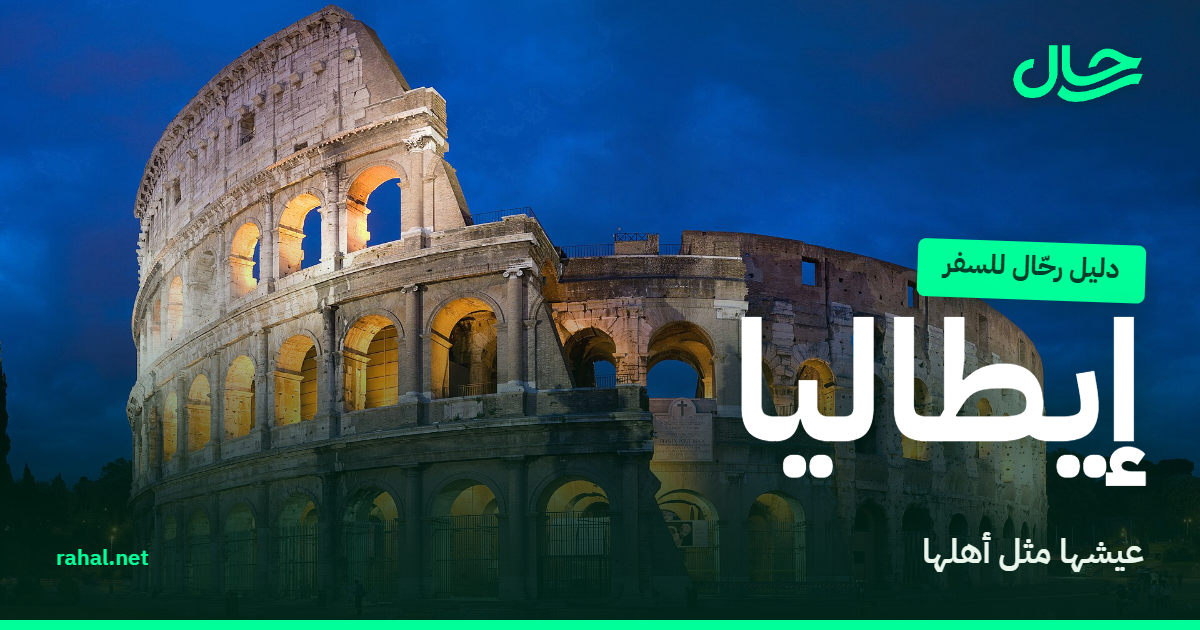
Italy Like a Local: The Real Travel Guide for Iraqis
Italy is a dream for anyone who loves history, food, and beauty. Rome is an open-air museum, Venice is a city built on water, and Florence is the cradle of the Renaissance. But if you want to experience Italy like a local, you need to understand "la dolce vita" (the sweet life): Italians start their day with an espresso standing at the bar, eat slowly with family (food is practically a religion), and take an evening stroll — the "passeggiata" — to see and be seen. Italians are warm, expressive, loud, and emotional — closer to our own temperament than almost any other European people. In this guide from the Travel Like a Local series, let's walk through the real Italy — and talk honestly about the Schengen visa.
Who lives there?
Italy has around 59 million people, and Greater Rome has about 4 million. Italian society is warm, family-oriented, and religious (majority Catholic, with the Vatican at the heart of Rome), and family is the center of life. There's a growing Muslim and immigrant community, so halal restaurants and mosques exist in major cities, though less widespread than in France or the UK.
The language is Italian, and English is present in tourist areas but not deeply widespread, especially in the south and among older generations. Italians appreciate it when you try a few words of Italian.
Italians are known for warmth, energy, talking with their hands (body language is part of the conversation), and visible emotion. They're hospitable, love family, food, and life, and you'll feel at ease with them quickly — much closer to us than the reserve of Northern Europe.
How much does daily life cost?
Italy is relatively reasonable compared to Northern Europe, and cheaper than Paris or London. The currency is the euro. According to Numbeo (mid-2026):
- A one-bedroom apartment in central Rome: roughly $1,000–1,400/month, cheaper outside the center.
- A meal at a cheap restaurant: roughly $14–18, and an espresso at the bar costs around a euro or slightly more.
- A monthly transit pass in Rome: reasonable.
- Comfortable living for one person in Rome: roughly $2,200–2,600/month including rent.
For comparison: Rome and the north (Milan) are pricier, while the south (Naples, Sicily) is much cheaper. Authentic Italian food is affordable (pizza and pasta are cheap and delicious), and coffee at the bar is cheap too — but drink it standing up, since sitting down costs more.
Relatively cheap: coffee (standing at the bar), pizza and pasta. Expensive: rent in Rome and Milan, tourist restaurants near the landmarks, and coffee if you sit down.
How do locals get around?
Rome has a metro (only 3 lines, since any digging tends to uncover ancient ruins), along with an extensive bus and tram network. The metro is limited compared to other European cities, so buses and walking are essential in Rome. Tickets are unified across metro and bus.
For taxis, official white cabs run on the meter, and apps are sometimes cheaper (Uber is limited in Italy due to regulations; FreeNow is available). Walking in Rome is wonderful since the historic center's landmarks are close together.
Between cities, Italian trains are excellent and fast (Frecciarossa): Rome to Florence is 1.5 hours, to Milan 3 hours, to Naples 1 hour. Book early for cheaper fares. Distances are manageable, making Italy ideal for train travel between cities.
What surprises visitors: Italians drive enthusiastically (especially in the south and Naples), traffic can be chaotic, and pickpocketing happens in Rome's tourist areas — stay alert.
What do they eat… and when?
Italians take food very seriously. Breakfast is light: coffee (cappuccino is a morning-only thing — ordering it after lunch is considered odd) with a croissant (cornetto). Lunch and dinner are family rituals eaten slowly.
Iconic dishes vary by city: pizza (originally from Naples, thin-crust), pasta in hundreds of forms (carbonara and cacio e pepe are from Rome), risotto (from the north), and gelato (Italian ice cream, an art form in itself). Every region has its own dishes and is proud of them.
Coffee culture has strict rules: espresso standing at the bar is quick and cheap, while sitting at a table costs more. "Aperitivo" (a pre-dinner drink with snacks) is an evening ritual. Street food exists too (pizza by the slice, pasta, sandwiches). Dinner is late, especially in the south.
A myth worth busting: Italian food isn't just pizza and pasta — every region has its own complete cuisine, and authentic food at family-run trattorias is far cheaper and better than at tourist restaurants near the landmarks.
The unwritten rules
- Coffee has rules. Cappuccino and milk-based coffee are a morning-only thing — ordering one after lunch or dinner is considered odd (Italians drink espresso after meals). Drink your coffee standing at the bar for the cheaper price.
- Food is sacred and unhurried. Don't rush a meal, and don't ask for too many modifications to a dish (sometimes seen as an insult to the chef). A meal is a social ritual.
- Elegant dress (la bella figura) matters. Italians care a lot about appearance and style — being well-dressed earns respect, especially in churches and restaurants.
- Churches require modest dress: shoulders and knees covered (for both men and women), especially at the Vatican and major churches.
- The cover charge (coperto): a table/service fee (coperto) is usually added to the bill, so an extra tip isn't mandatory, but a few euros for good service is a nice gesture.
- Talking with hands and raised voices are normal — Italians are expressive and emotional, so don't be surprised by the passion in everyday conversation.
Where do locals live?
Housing searches happen on sites like Idealista, Immobiliare, and Subito. Rents in Rome and Milan are higher, while the south is much cheaper. Leases require paperwork and often a guarantor, and newcomers typically start with furnished or shared housing.
The map: Rome is divided into neighborhoods (rioni) — the historic center (centro storico) is touristy, expensive, and beautiful; areas like Trastevere are known for nightlife and restaurants; and outer neighborhoods are cheaper. For visitors, stay in or near the historic center so you can walk to the landmarks (Rome is very much a walking city).
🎵 Hear the country before you arrive
Music is half of any trip. Here's a playlist to set your mood for Italy before you even land — play it while you pack:
For the Iraqi traveler 🇮🇶
Visa (verified: June 2026): Let's be honest about this one. Italy is part of the Schengen Area, and Iraqi passport holders need a short-stay Schengen visa (90 days within a 180-day period): apply through Italy's official system and a visa center (VFS/iVisa), then attend an appointment for biometrics and documents. You'll need to show your bookings, travel insurance, financial means, and ties to Iraq. Processing can take a while, and refusal is possible. The upside of Schengen: one visa lets you travel across 29 European countries. Prepare a complete file and apply early (months ahead during peak season), and check the official Italian consulate and visa system website for the latest requirements.
Flights: There's no reliable direct flight from Iraq to Rome. Typical transit routes go through Istanbul, Doha, Dubai, or Frankfurt, with total travel time around 7–11 hours including transit.
Money: Italy is largely a card-based country (especially the north and cities), but cash is still used more in the south and small shops than in France. Activate your Iraqi card for international use, and carry some euros in cash for cafés, markets, and small shops.
Internet: Activate the free eSIM from Rahal that comes with any confirmed international booking (1GB for 3 days): request it on WhatsApp at least 5 days before your trip, so you land in Rome already connected, then get a local SIM if you're staying longer.
Halal food and community: Italy has a growing Muslim community, so halal restaurants exist in major cities (Rome, Milan), though less widespread than in France or the UK. Halal meat is available at select shops. Vegetarian dishes and fish are easy options (Italian cuisine is rich in both), so you won't struggle. Ask about halal options at the Arab and Turkish restaurants available in the cities.
Worth remembering: Don't book a non-refundable flight or hotel before the Schengen visa is in your hand. If you book through Rahal, choose a changeable fare and keep the WhatsApp support team informed of your situation. Since it's a Schengen visa, plan a multi-city, multi-country trip (Rome, Florence, Venice, or even Paris) on a single visa.
The honest take
The hard parts about Italy: the difficult, lengthy Schengen visa process for Iraqis, the overwhelming tourist crowds in Rome, Venice, and Florence (especially in summer), pickpocketing in tourist areas, and some chaotic services. And what gets overlooked? The south: authentic, lively Naples, Sicily with its history and food, Puglia with its cone-shaped trulli houses, the stunning Amalfi Coast, and the northern lakes (Como). If you're also drawn to a neighboring Schengen destination on the same visa, check out our guide on France from the same series.
Bottom line: Italy suits history lovers, food lovers, and anyone seeking the warmth of a people whose temperament feels close to home, right in the heart of Europe. If you prepare a strong Schengen file, Italy offers history, food, and a way of life unmatched anywhere else.
FAQ
What's daily life like in Italy?Life lived as "la dolce vita": espresso standing up in the morning, unhurried family meals (food is practically a religion), and an evening stroll — the "passeggiata." Italians are warm, expressive, loud, and family-oriented — closer to our temperament than Northern Europeans. Coffee has its own rules, and looking put-together matters.
Is Italy expensive to live in?Relatively reasonable, and cheaper than Paris or London: a room in central Rome runs $1,000–1,400/month, a cheap meal costs $14–18, and comfortable living for one person runs roughly $2,200–2,600/month (Numbeo, mid-2026). The south is much cheaper than Rome and Milan, and pizza, pasta, and coffee are all affordable.
What important customs should I know in Italy?Coffee has rules (cappuccino is morning-only, and espresso standing at the bar is cheaper), and meals are sacred and unhurried, without excessive modifications to dishes. Dressing well matters, churches require modest dress (shoulders and knees covered), and talking with hands and raised voices are simply normal.
What do Italians eat every day?A light breakfast (coffee and a croissant), with lunch and dinner as family rituals. Dishes vary by region: pizza (originally from Naples), pasta (carbonara and cacio e pepe from Rome), risotto, and gelato. Family-run trattorias are cheaper and better than tourist restaurants, and bar coffee is inexpensive.
Does Italy require a visa for Iraqis?Yes, a short-stay Schengen visa (90/180 days) through Italy's official system and a VFS center (verified: June 2026): application, biometrics appointment, and proof of bookings, insurance, financial means, and ties to Iraq. Processing can take time and refusal is possible, but the visa lets you travel across 29 European countries. Apply early and check the official website.
What do tourists usually miss in Italy?The south. Everyone crowds into Rome, Venice, and Florence, while authentic Naples, Sicily with its history and food, Puglia with its trulli houses, the enchanting Amalfi Coast, and the northern lakes (Como) are far less crowded and more authentic. The real Italy is much bigger than the tourist triangle.
Sources: Wikivoyage (CC BY-SA), CIA World Factbook (public domain), cost figures from Numbeo. Last updated: June 2026.